Commercial waste law for Mayfair businesses: basics
Posted on 30/07/2026

If you run a business in Mayfair, waste is not just "stuff to get rid of". It is part of your legal and operational responsibility, and if it is handled badly, the fallout can be annoying at best and expensive at worst. The basics of commercial waste law for Mayfair businesses are straightforward once you strip away the jargon: you need to store waste properly, transfer it only to authorised people, keep records where required, and make sure rubbish does not spill into the street or become someone else's problem.
That sounds simple enough. In practice, though, offices, shops, hospitality venues and managed properties in W1 can all create different waste streams, and the rules can feel a bit fiddly. This guide breaks the subject down into plain English. You will see what the law expects, how it applies day to day, which mistakes cause trouble, and how to build a sensible routine that keeps your business tidy and compliant.
And yes, there is a commercial side to this too: good waste management saves time, protects your reputation, and avoids those awkward moments when a bin is overflowing outside a smart frontage on a busy street. Let's face it, nobody wants that on a Monday morning.
- Why this matters for Mayfair businesses
- How commercial waste law works in practice
- Key benefits and practical advantages
- Who needs to pay attention
- Step-by-step compliance guidance
- Expert tips for better results
- Common mistakes to avoid
- Tools, resources and recommendations
- Law, compliance and best practice
- Options and comparison table
- Real-world example
- Practical checklist
- Conclusion
- Frequently asked questions
Why Commercial waste law for Mayfair businesses: basics Matters
Commercial waste law matters because business waste is treated differently from household rubbish. Once waste is produced by a business, it must be managed as commercial waste, even if the items themselves look ordinary. A box of packaging from a boutique, old office chairs from a fit-out, broken appliances from a hospitality venue, or stock packaging from a retail unit all fall into that category once the business has generated them.
In Mayfair, the stakes are a little sharper because the area is dense, busy and highly visible. Waste left out incorrectly can obstruct pavements, attract complaints, create hygiene issues and draw attention from enforcement teams. If you are on a narrow street or a serviced terrace, even a small mistake can become quite visible very quickly. You know how it is in central London: one bad bin day and everyone notices.
There is also a commercial reputation angle. Mayfair businesses often trade on presentation, service and discretion. Overflowing waste, careless disposal or poor recycling habits can undermine that image. A clean frontage, tidy yard and organised collection schedule are small details, but in an area like this they matter a lot.
For businesses that handle regular clear-outs or one-off removals, it helps to understand the wider service landscape too. Some firms combine compliance with practical support through commercial waste removal in Mayfair or more general waste clearance in Mayfair, especially where space is tight and collections need to be kept discreet.
How Commercial waste law for Mayfair businesses: basics Works
At a practical level, the law asks businesses to do four things well:
- Store waste safely and separately where needed.
- Transfer waste only to an authorised waste carrier or approved route.
- Keep the right records and paperwork where applicable.
- Prevent waste from becoming a nuisance, hazard or pollution risk.
The exact paperwork depends on the type and quantity of waste, but the common theme is the same: a business remains responsible for the waste until it has been transferred properly. That means it is not enough to assume "someone came and took it", full stop. You should know who took it, what they were allowed to take, and what happened to it next.
In simple terms, a compliant waste process usually looks like this:
- Waste is separated if needed, such as general waste, recyclables, electrical items or confidential material.
- Items are stored in bins, sacks, cages or designated holding areas.
- A licensed carrier collects the waste at an agreed time.
- Transfer notes or invoices are kept as evidence of lawful disposal where required.
- Recycling and recovery are used where practical and lawful.
That last part matters more than many people realise. Good waste management is not just about removal. It is about matching the right waste to the right route, whether that is recycling, reuse, recovery or disposal. If you are planning an office move or a larger clear-out, a service such as office clearance in Mayfair can be useful because it keeps the process structured rather than chaotic.
One thing to keep in mind: different waste types may have different handling expectations. Electronics, food waste, furniture, builders' debris and confidential paperwork are not all treated the same way. That sounds obvious, but in real life people often lump everything together because they are busy. That is where trouble begins.
Key Benefits and Practical Advantages
Good compliance is not just about avoiding penalties. It brings day-to-day benefits that are easy to feel once the system is in place.
- Reduced risk: fewer disputes, fewer complaints and fewer hygiene issues.
- Better presentation: tidy waste handling supports a professional image.
- Less operational friction: staff know what goes where and collections happen predictably.
- Clearer accountability: records make it easier to show you acted responsibly.
- Smarter recycling: useful materials are separated instead of being thrown away unnecessarily.
For Mayfair businesses, a lot of the value is hidden in the small things. No one applauds a correct waste transfer note. Fair enough. But they will notice if your site looks organised, your bins do not block access, and your landlord or managing agent is not chasing you about mess outside the premises.
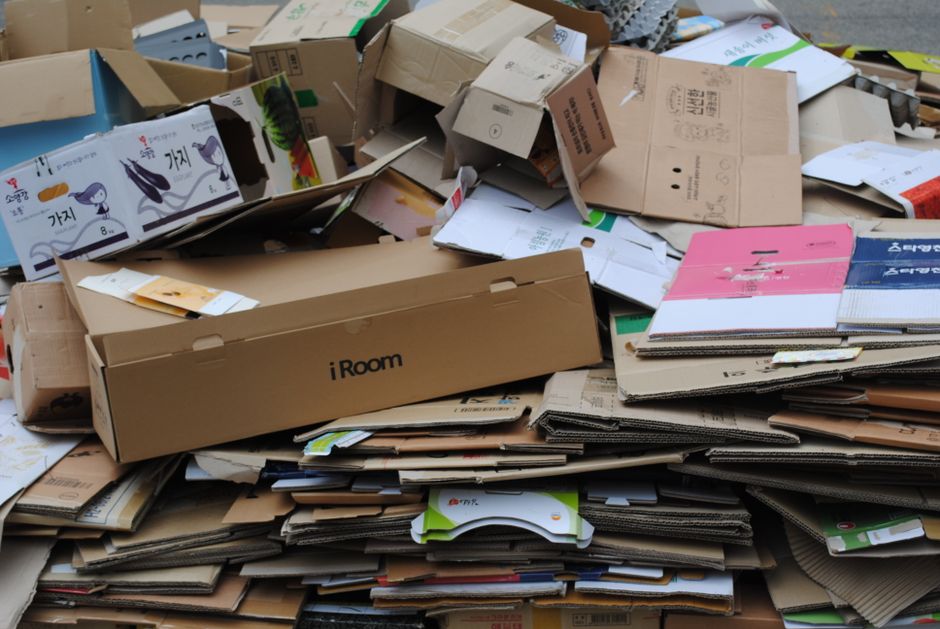
There is also a cost-control advantage. A decent waste routine often means fewer emergency pickups, fewer ad hoc collections and less wasted labour. For instance, a retail unit that sorts cardboard daily will usually avoid the crumpled, overfilled pile that turns into a messy one-off job by Friday afternoon. Little systems, big difference.
Where bulky items or mixed loads are involved, it can help to use a specialist approach rather than improvising. If you are dealing with furniture, old fixtures or bulky stock, the pages on furniture disposal in Mayfair and furniture removal in Mayfair are useful examples of how businesses often separate routine waste from one-off items.
Who This Is For and When It Makes Sense
This topic matters for almost any business that creates waste, but it is especially relevant if you run or manage:
- offices and co-working spaces
- shops and luxury retail units
- cafes, restaurants and hotels
- estate and property management offices
- showrooms, studios and consultancy firms
- construction or refurbishment projects in commercial premises
It also matters if you are a landlord or managing agent responsible for common areas, tenant turnover or end-of-lease clear-outs. In Mayfair, occupancy changes can happen quickly, and clear-out deadlines do not always leave much breathing room. If that is your world, you may also find property clearance in Mayfair useful when whole units need to be emptied responsibly.
When does it make sense to take a formal approach? Basically, as soon as waste becomes more than an occasional bin bag. If you are producing repeated volumes, storing items in a back area, handling confidential material, or managing multiple waste streams, then a proper compliance routine is no longer optional in practice. It is just good business.
One of the clearest signals is staff confusion. If people keep asking, "Can this go in there?" then your system probably needs tightening. Not a disaster, but it needs attention.
Step-by-Step Guidance
Here is a sensible way to build a compliant waste process without making it overly complicated.
- Identify your waste types. List the main materials your business produces: general waste, food waste, cardboard, plastics, confidential paper, electrical items, furniture, builders' waste and so on.
- Separate what can be separated. Recycling is only useful if the right materials are kept apart. Wet and dry waste mixed together can reduce recycling options.
- Create a storage point. Pick a secure, tidy area for holding waste before collection. This is especially important in smaller premises where back-of-house space is tight.
- Choose an authorised collector. Use a carrier that is properly licensed and comfortable dealing with your waste type. Ask for evidence and keep it on file.
- Keep transfer records. Where required, retain notes or invoices that show the waste was transferred lawfully.
- Train staff. People do not need a law degree. They need clear bin labels, simple rules and a manager who actually enforces them.
- Review the setup regularly. Waste volumes change. So do tenants, opening hours, fit-outs and seasonal demand.
That is the basic version. In a real Mayfair business, the practical detail might involve timed collections early in the morning, off-peak handling, or careful coordination with building management. Some premises also need support for bulky items, which is where rubbish collection in Mayfair can fit into the wider plan.
And if you are dealing with a large one-off clean-up, such as emptying old stock or removing non-routine items, you might also combine routine collections with a more tailored waste disposal Mayfair arrangement. The right mix depends on how your site actually works, not on theory.
Expert Tips for Better Results
Here are the habits that usually make the biggest difference.
- Label bins clearly. Use plain language. "Cardboard only" beats a complicated sign no one reads.
- Set collection days to match trading patterns. A busy Friday service business may need a different rhythm from a quiet office.
- Keep a simple waste log. Even a basic internal record helps when a landlord, auditor or compliance question comes up.
- Separate confidential waste early. Do not leave it in open bins where anyone can access it.
- Plan for spikes. Christmas, sales events, refurbishments and tenant changes all create extra waste. They always do.
One practical observation from the ground: most waste problems are not caused by ignorance of the law. They are caused by rushed routines, unclear responsibility or "we'll sort it out later" thinking. Later arrives, of course, and then the bin area looks like a small disaster.
If you are coordinating a fit-out or renovation, it may help to look at builders' waste disposal in Mayfair as a separate stream. Builders' waste can be heavier, dustier and more awkward than ordinary commercial rubbish, so treating it as a special case is usually the sane move.
To be fair, most businesses are not trying to do the wrong thing. They are just busy. A clear process fixes a lot.

Common Mistakes to Avoid
These are the errors that come up again and again.
- Assuming all waste is the same. It is not. General waste, recyclables, electricals and confidential material need different handling.
- Using an unverified collector. If you cannot confirm who is taking the waste, you are carrying more risk than you need to.
- Leaving waste in public view too long. In Mayfair, that can lead to complaints very quickly.
- Mixing business waste with household waste. This causes confusion and can create compliance problems.
- Forgetting records. Paperwork may feel dull, but it is part of the protection.
- Ignoring seasonal surges. One busy week can overwhelm a system that normally seems fine.
Another common one is relying on "someone in the building usually deals with it". Usually is not a system. It is a hope. And hopes do not clear bins.
If your site handles regular bulk items, old fittings or furniture, it is worth reviewing whether a more structured service would be simpler. For some businesses, the right answer is a recurring collection; for others, it is one-off support linked to office clearance in Mayfair or a similar disposal plan.
Tools, Resources and Recommendations
You do not need fancy software to get this right. In many cases, a simple combination of labels, checklists and file storage is enough.
- Waste segregation labels: plain signs for cardboard, general waste, glass, food waste and special items.
- Collection schedule: a basic calendar shared with site staff or the office manager.
- Transfer note folder: digital or paper, but keep it organised.
- Site waste map: a quick sketch or note showing where bins and holding areas are kept.
- Staff induction sheet: one page is often enough if it is clear.
For businesses that want a broader view of how waste support fits into daily operations, the services overview is a useful reference point. It helps to think about waste management as part of the site's workflow rather than as an afterthought.
There are also occasions when sustainability matters just as much as speed. In those cases, it makes sense to build recycling and recovery into the plan from the start. If that is relevant for your operation, recycling and sustainability is the kind of topic that sits naturally alongside compliance.
And if your business has unusual items that need careful handling, such as appliances or mixed commercial equipment, look at white goods and appliance disposal in Mayfair before you treat those items like ordinary rubbish. They usually are not.
Law, Compliance, Standards, or Best Practice
Here is the careful, plain-English version. Commercial waste law in the UK places duties on businesses to store waste safely, prevent escape or nuisance, and pass it only to people or businesses that are authorised to take it. In day-to-day terms, the practical question is always the same: can you show that your waste was managed responsibly from the moment it left your control?
Best practice usually includes:
- using a properly licensed carrier
- keeping waste transfer records where appropriate
- separating recyclable and hazardous streams when necessary
- avoiding fly-tipping risk or uncontrolled dumping
- making sure staff know who is responsible for the waste area
There are also related legal and contractual issues around safety, access, and building rules. If your waste collection involves difficult access, stairs, loading bays or shared service areas, the practical side matters as much as the legal side. A short review of insurance and safety can be useful when you are deciding how to manage collections without creating avoidable risk.
For many businesses, the best approach is not to chase the smallest possible cost. It is to choose a compliant, consistent setup that fits the premises. Cheap and cheerful is fine for lunch, not so much for waste control. Sorry, but it's true.
Options, Methods, or Comparison Table
Below is a simple comparison of common ways Mayfair businesses handle commercial waste. The right choice depends on volume, space, urgency and the type of waste you create.
| Method | Best for | Advantages | Trade-offs |
|---|---|---|---|
| Regular scheduled collections | Offices, shops, hospitality sites | Predictable, tidy, easy to manage | May need adjustment during busy periods |
| Ad hoc waste removal | One-off clear-outs, seasonal stock, small refurbishments | Flexible and responsive | Less efficient if used too often |
| Specialist clearance | Office moves, furniture, mixed loads | Good for larger or awkward items | Needs clear planning and access |
| Separate recycling streams | Businesses with cardboard, packaging or source-separated waste | Supports sustainability and compliance | Requires staff discipline |
For some Mayfair sites, the most practical combination is regular collections for everyday waste plus periodic support for bulk items. If that sounds familiar, a service like waste clearance in Mayfair can complement your routine rather than replace it.
Case Study or Real-World Example
Picture a small professional office near a busy Mayfair street. The team is fairly lean, but over a few months the back room starts to collect cardboard, packaging, broken desk chairs and old IT boxes. Nothing dramatic. Just a slow build-up. Then a tenant handover is due, and suddenly the space needs to be cleared quickly.
At first, the team tries to handle it with ordinary bins and a bit of goodwill. That works for a week, maybe two. Then the waste area gets untidy, the building manager starts asking questions, and someone realises the old items are not all the same type of waste. Some are recyclable. Some need special handling. Some are just bulky and awkward.
The better route is obvious in hindsight: sort the waste, document what is leaving the site, arrange an authorised collection, and keep the office clear while the move happens. A service built around waste carrier licence and compliance gives that process a proper backbone, which is exactly what a time-pressed office often needs.
The end result is less stress, fewer building complaints and a much smoother handover. Nothing heroic. Just a tidy process that worked.
Practical Checklist
Use this as a quick in-house check before your next collection.
- Have we identified all waste streams produced by the business?
- Are bins and storage areas labelled clearly?
- Do staff know what can and cannot go into each container?
- Have we confirmed that the collector is properly authorised?
- Are records, invoices or transfer notes stored somewhere easy to find?
- Are bulky items and special waste separated from general rubbish?
- Is the waste area secure, tidy and not blocking access routes?
- Have we planned for peak periods, deliveries, refurbishments or tenant changes?
- Do we know who is responsible for checking the waste area each day or week?
- Have we reviewed whether recycling can be improved without making the process messy?
It does not have to be perfect from day one. Honestly, few systems are. But if you can tick most of those boxes, you are already in a much better place than businesses that are just winging it.
Conclusion
The basics of commercial waste law for Mayfair businesses are really about control, responsibility and common sense. Store waste properly, hand it to the right people, keep evidence, and do not let the waste area become a problem in its own right. Once those habits are in place, compliance feels much less stressful and much more manageable.
For a Mayfair business, that matters. The area is too visible, too busy and too professionally polished for waste to be treated as an afterthought. Whether you run a quiet office, a retail space, a hospitality venue or a managed property, a clean and compliant waste routine supports your operations in ways that are easy to overlook until something goes wrong.
If you want to tighten your setup, start small: label better, separate more carefully and keep records in one place. That alone can make a real difference. Then build from there. Bit by bit.
Get a free quote today and see how much you can save.
Sometimes the most reassuring thing is simply knowing the basics are handled well, so the rest of the business can get on with its day.